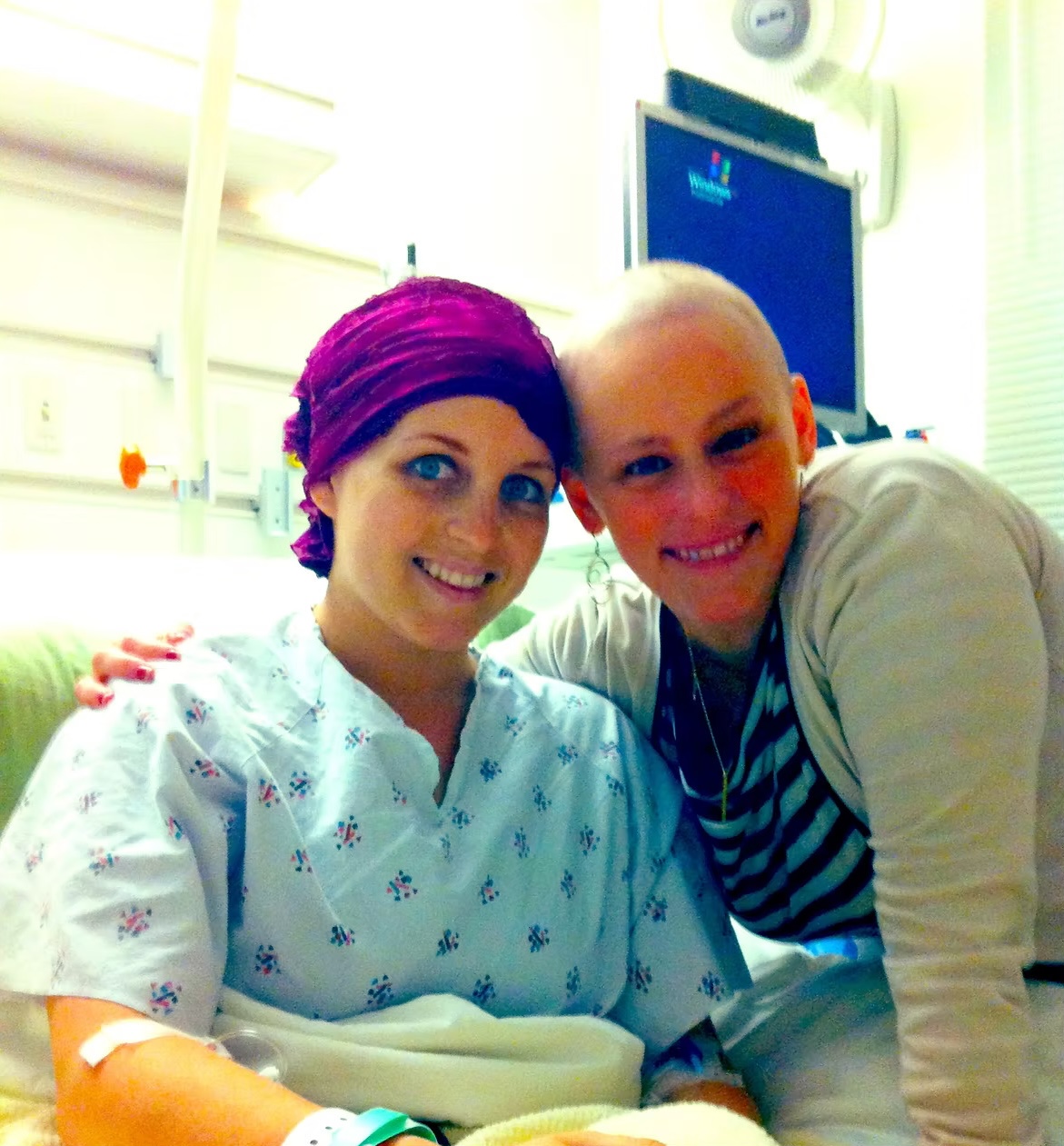
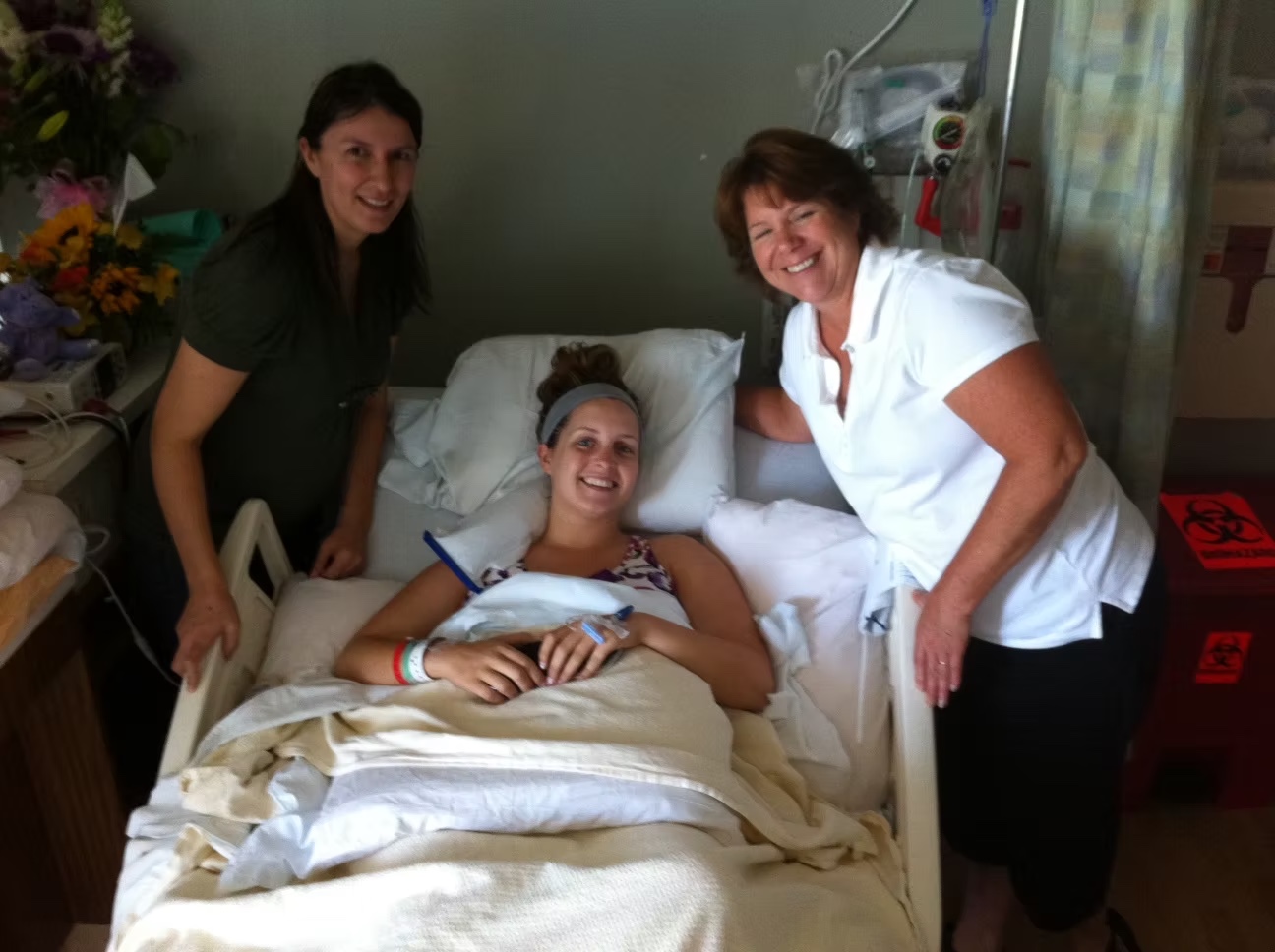
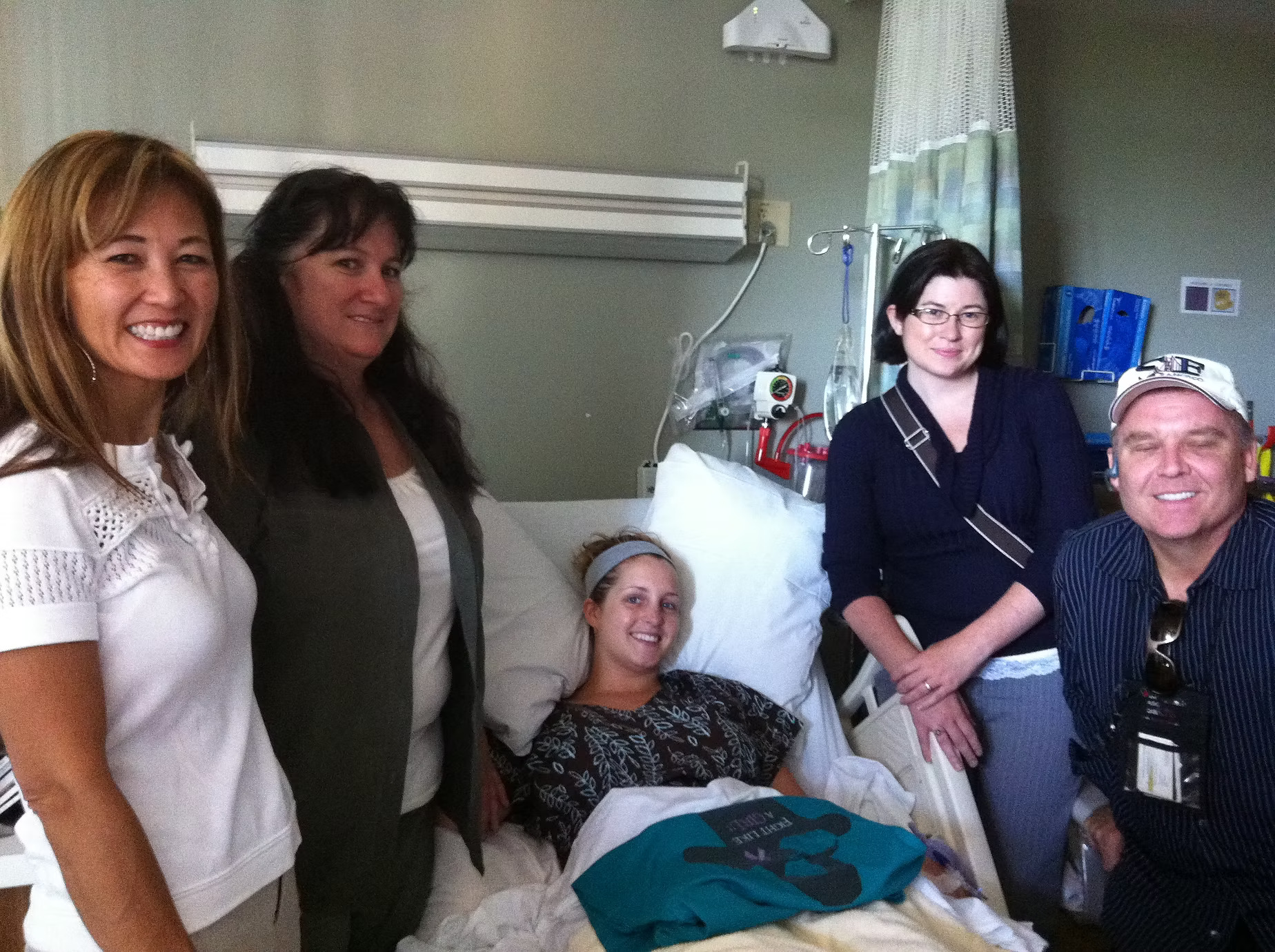
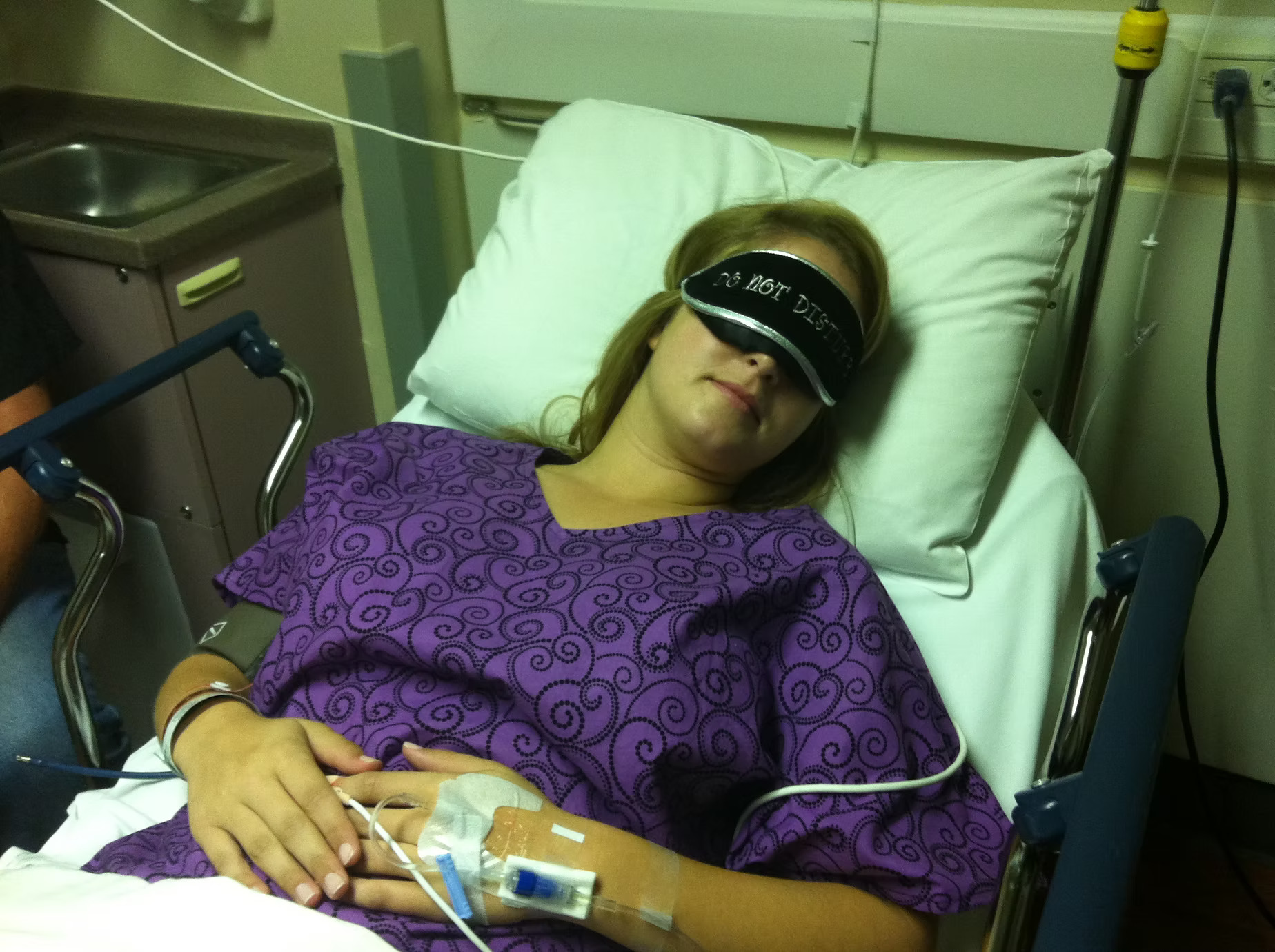
Britni Allison Berner was a young woman set to embark on a new career when she was diagnosed with Stage 1B2 adenosquamous cervical cancer on September 2, 2011 at the age of twenty six.
Tragically, Britni lost her life to this disease just 10 months later.
Britni Allison Berner was a young woman set to embark on a new career when she was diagnosed with Stage 1B2 adenosquamous cervical cancer on September 2, 2011 at the age of twenty six.
Tragically, Britni lost her life to this disease just 10 months later.
Sarah Hughes from Roseville, California tells the story of Britni, her very best friend.
She believes that if Britni had had an HPV test as part of her regular screening program, she might still be alive today.
She shares this difficult story in the hope that other young women will know to ask their healthcare providers to use all the prevention tools available, in order to prevent cervical cancer from happening to them.
For women under 30, medical guidelines currently recommend Pap testing be followed by HPV testing only when the Pap is unclear.
Recently, the FDA approved an HPV test that could be used in front of the Pap, starting at age 25. A number of medical societies have accepted this test as a safe alternative.
What is most disturbing is that Britni had never missed a Pap test appointment, never had an abnormal Pap cervical cancer screening result, and had had all three doses of the Gardasil HPV vaccine.
Britni thought she had done everything she could as a young woman under 30 to protect herself from cervical cancer.
After her diagnosis, Britni went through surgery, radiation, and chemotherapy and despite her ongoing rigorous treatment, the cancer progressed.
She died ten months after her diagnosis on July 19, 2012, a month and a half after her twenty seventh birthday.
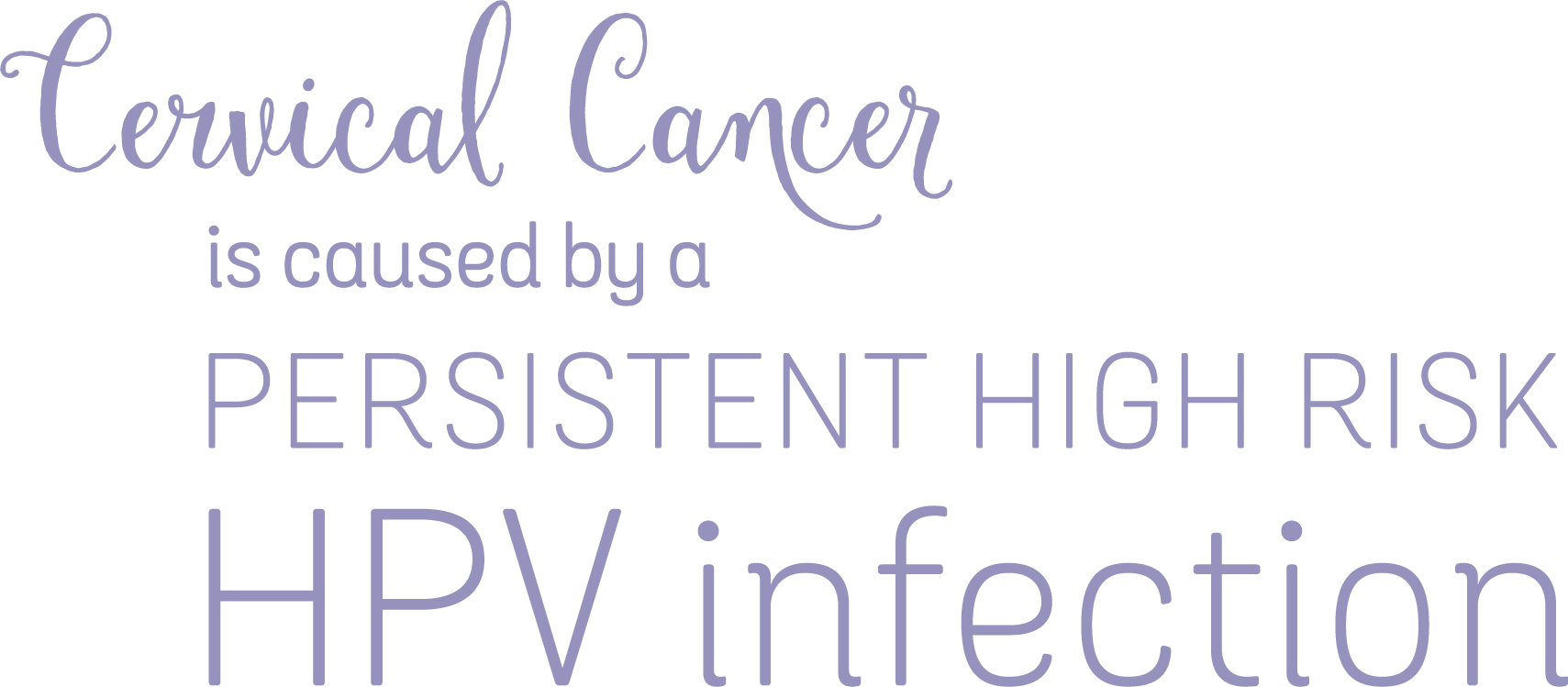
Fourteen types of high risk HPV cause 99% of cervical cancers
70% of cervical cancers are caused by the two highest risk types, HPV 16 and HPV 18
Adenocarcinoma of the cervix is most often caused by HPV type16 or 18.
Britni was never tested for HPV.
She never knew if she was positive for any of the high-risk types of HPV, even though this type of test was available and could have been run on the same sample collected for her Pap test.
You can read Britni’s patient story originally published in the Roche Molecular Diagnostics HPV 16 and 18 site for more information.