
Be an Educated Advocate for your Cervix

Thank you Kristin Garvin, Senior Global Product Communications Manager, with Roche Diagnostics Corporation for your kindness and dedication in the video production of Britni’s story.

I shared Britni’s story with Kristin and Roche Diagnostics Corporation to possibly help other young women to know to ask for the cobas hrHPV DNA test as their primary screening tool beginning at age twenty-five.

I hope Britni’s story will help raise awareness for women, no matter what your age, if you are symptomatic and your Pap test is normal, you need to insist on having a hrHPV DNA test to see if you have one of the high risk types of HPV.​

Someone You Love: The HPV Epidemic

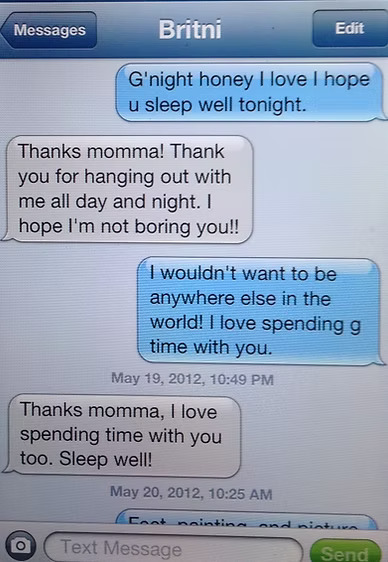
Britni and I both thought she was doing everything “medically” possible to detect (Pap test) and prevent (HPV vaccination) cervical cancer.

We didn’t know there is a type of cervical cancer that’s been on the rise the past thirty years, that predominantly affects younger women, that can go undetected by a Pap test because it’s higher in the cervical canal.

Thank you sweet Sarah for telling Britni’s story so beautifully in spite of your grief.

If you are 30+ please remember to ask for an HPV test when you have your Pap test.

This is called co-testing and is part of current guidelines for women in your age group.

Latest Advances in Cervical Cancer Screening and Treatment

Stanford

A doctor from Stanford gives information about cervical cancer. She covers several things, including the fact that nearly all cervical cancers are caused by the human papillomavirus (HPV), how a woman’s immune system normally attacks the virus, and how it’s most prevalent in women in their 40s.

Adenocarcinoma of Cervix: An Emerging Phenomena

National Cervical Cancer Symposium

This is a lecture presented by Dr. Mary Jennifer Makanjang, a gynecologic oncologist, in July 2011 at the first National Cervical Cancer Symposium (NCCS). This symposium was the first of its kind held in Malaysia. In her lecture she discusses risk factors, prognosis, tumor size, and more.

The End of the Pap Smear?

National Cervical Screening Program

This is a presentation by Professor Ian Hammond, Chair of the National Cervical Screening Program Renewal, which he gave as part of Cancer Council Update Series in 2014. He talks about the recommended changes to the existing Pap smear based cervical screening program and how this will affect women.

30 and Older: The New Faces of HPV

Dr. Oz

In this episode, Dr. Oz focuses on the increasing prevalence of HPV among women over 30. He discusses how the virus can remain dormant for years before resurfacing and potentially leading to serious health issues, including cervical cancer. Experts join the conversation to explain the risks, the importance of regular screenings, and how women can protect themselves.

HPV and Cervical Cancer

American Sexual Health Association

The American Sexual Health Association explains the importance of regular cervical cancer screenings, including Pap and HPV tests, to detect abnormal cell changes before they develop into cancer. Early detection through routine screening can save lives.

Adenocarcinoma of Cervix

DoveMed

DoveMed delves into adenocarcinoma of the cervix, and the fact that it’s a significant yet often overlooked form of cervical cancer arising from glandular cells lining the cervical canal. This article also explores comprehensive insights into the symptoms, risk factors, and treatment options of HPV.

Nonprofit Cervical Cancer Awareness and Support

Cervivor

Cervivor is an empowering community that provides support, education, and advocacy for those affected by cervical cancer. Through resources, patient stories, and survivor connections, it helps women and loved ones navigate their journey with cervical cancer.

Cervical Cancer Screening: Pap and HPV Tests

National Cervical Cancer Coalition

Discover the critical role of cervical cancer screenings and why they’re essential for women’s health. The NCCC offers valuable insights on when to start screening, how Pap and HPV tests can prevent cancer, and why staying on top of your health matters.

What Will it Take to Save Women from Cancer?

Jessica Banov shares her sister Rachel’s cervical cancer story, which was published on Clearity Portal and Redbook Magazine. She talks about how she had been planning on traveling to Bali and Korea, but as the cancer progressed, what became more important to her was not missing the small moments.

Australia’s London 2012 rowing medallist dies aged 33

Sarah Tait, a rowing medalist from Australia who was a strong role model to young female athletes, lost her battle with cervical cancer at age 33. BBC News wrote an article about it that you can read here.

Joey + Rory: When I’m Gone

Country music singer Joey Martin Week died on March 4, 2016 after being diagnosed with cervical cancer in May 2014. Wide Open Country wrote a beautiful article about Joey and the song she recorded before she died. Her husband Rory also has a very moving blog that you can read.

Cervical Cancer HPV Immunisation Programme: Denise’s story

Denise Burgin talks about losing daughter Shelley to cervical cancer at the age of 27.

Summer’s Story

Summer Smith died from cervical cancer. Here, her husband talks about Summer and how the HPV vaccine could have saved her life.

Cervical Cancer Survivor Stories

In this video, cervical cancer survivors and family members highlight the devastating impact of cervical cancer, emphasizing the importance of prevention in the form of vaccines and regular screening—prevention that can save lives.

Someone You Love

Narrated by Vanessa Williams, this poignant documentary takes a look into the lives of five women affected by HPV, the widely misunderstood and controversial virus that causes several types of cancer, including cervical. Each of these women has an intimate story to tell.

Michelle Whitlock

As a young woman, Michelle Whitlock was diagnosed with cervical cancer. Her journey included the need for a radical hysterectomy, the birth of a daughter by surrogate, and the writing of a book chronicling her experiences with this deadly cancer. You can find more information about Michelle on her website.